Lanzhou Noodles
Introduction
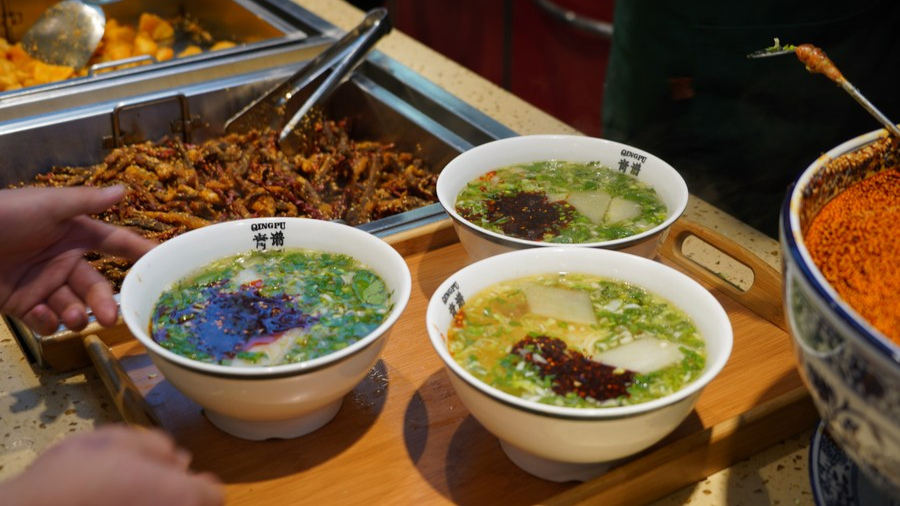
Lanzhou Noodles, a distinguished culinary specialty, originate from Lanzhou in Gansu province, China. Known specifically as Lanzhou Beef Noodles, this dish begins the day for many locals with a hearty, steaming bowl of beef noodles. It is characterized by its vivid colors and unique flavor profile, comprising yellow noodles, white radish, red chili oil, green coriander and leek, and, of course, slices of tender beef. The dish is a staple in Chinese cuisine, evolving from humble street food origins to a celebrated dish served in both traditional and modern settings. The Lanzhou Noodles are not just a meal but a cultural emblem, representing the rich history and culinary expertise of the region.
History
The history of Lanzhou Noodles dates back to the early 20th century. In 1915, an elderly man from the Hui ethnic group named Ma Baozi began to popularize this dish. Ma Baozi would prepare a clear soup using the liver of beef and lamb and sell it with cold noodles throughout the streets of Lanzhou. Customers were initially served a bowl of hot soup, known as the "soup to clear," and if they enjoyed it, they could order the noodles to complete their meal. Over time, the dish gained popularity and became a staple, leading to its recognition as an intangible cultural heritage in China by June 2021. This craft has been passed down through generations, and today, Lanzhou beef noodles continue to be a beloved part of Chinese culinary culture.
Ingredients
Noodles
The noodles in Lanzhou Beef Noodles are a critical component, known for their unique texture and elasticity. They are crafted from well-kneaded dough that has been worked to achieve the right consistency, allowing them to be firm yet tender. The noodles are classified into over 10 types based on their thickness, catering to different age groups and preferences. Thinner noodles, often referred to as "longevity noodles", are favored by the elderly for their chewability, while thicker noodles are popular among younger diners. The art of noodle-making is a skill passed down through generations, contributing to the unique identity of Lanzhou Noodles.
Broth
A central element of Lanzhou Beef Noodles is its broth, which is meticulously prepared to achieve a clear and savory flavor. The process begins with the careful selection of high-quality beef, specifically the leg bone, which, after the meat is removed, is smashed to release its flavors. After simmering the meat and bones for several hours, the resulting stock is combined with beef broth. The broth is gently stirred and skimmed to ensure clarity, earning it the description of "hanging the soup". The broth is enhanced with more than 10 types of seasonings, including ginger, cumin, fennel seeds, and grass fruit, adding depth to the flavor.
Toppings
The toppings used in Lanzhou Beef Noodles contribute to its visual appeal and taste. These include slices of beef, white radish, red chili oil, green coriander, leek, and sometimes additional herbs or spices. The beef is often tender and thinly sliced, while the vegetables and herbs provide freshness and color. The combination of these elements alongside the broth and noodles creates a balanced and flavorful dish, celebrated by both locals and visitors alike for its vibrant presentation and satisfying taste.
Global Popularity
The global popularity of Lanzhou Noodles has skyrocketed in recent years, with the dish finding its way into restaurants and homes worldwide. This increase in demand is driven by Chinese expatriates and international food lovers who appreciate the unique qualities of this traditional dish. With over 500,000 shops in China and significant sales, Lanzhou Noodles have also established a presence abroad, offering a taste of Chinese culture to diverse audiences. Efforts by individuals like Liang Shunjian have further promoted the dish through cultural exchanges and the establishment of international branches, making Lanzhou Noodles a celebrated icon on the global culinary stage.








